
Pulse — Grid Anomaly Detection
Streaming analytics over 90,000 substation sensors, catching faults hours before they become outages.
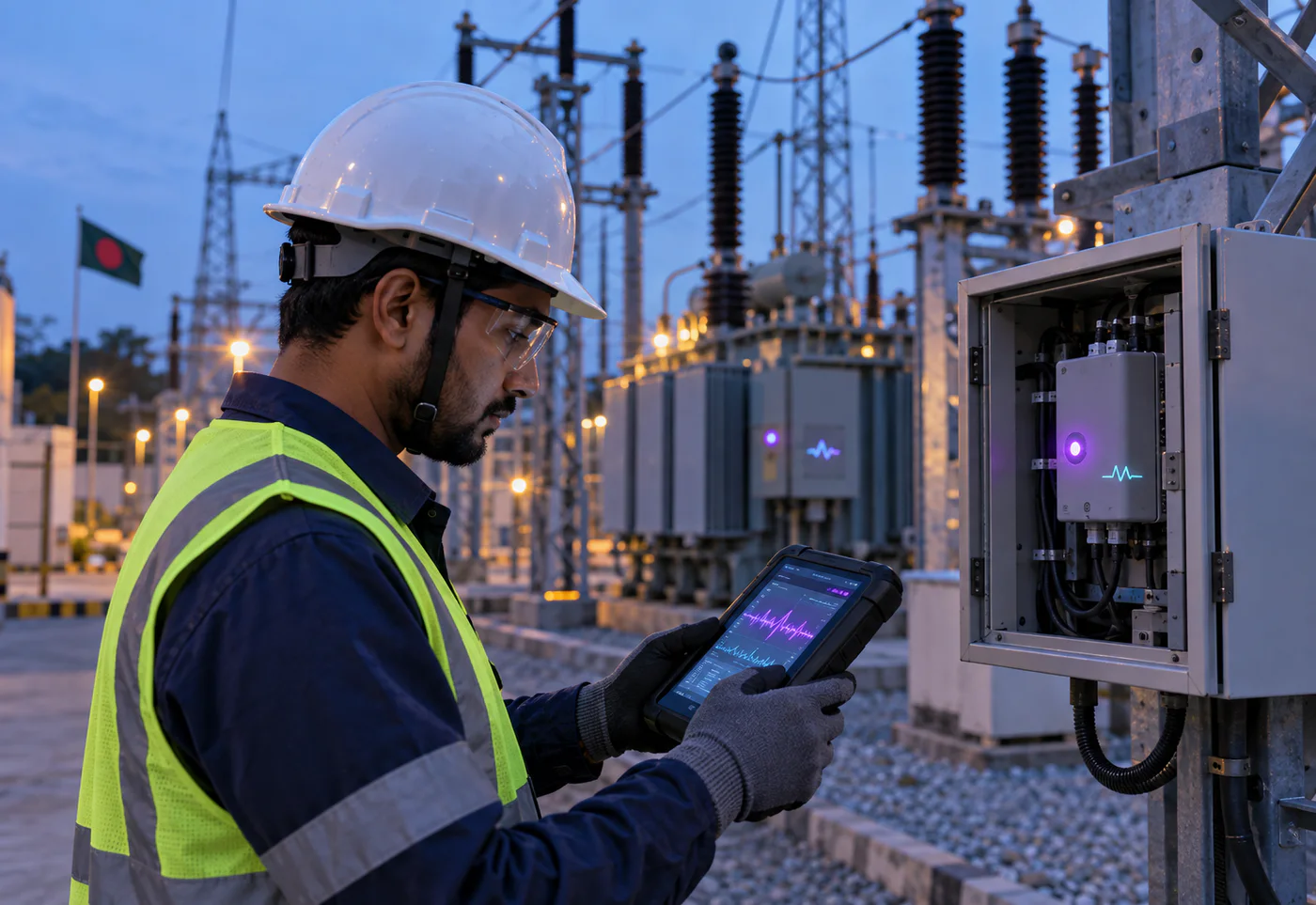
What was actually broken.
Substation telemetry was archived and reviewed monthly. Faults were therefore discovered by customers losing power, and the engineering team's own post-incident reviews kept concluding that the warning signs had been in the data for hours.
How we went at it.
We moved the telemetry onto a streaming backbone and ran detection in-flight rather than in a batch overnight. The harder problem was alert fatigue: an early version produced far too many alerts to act on. Tuning against three years of historical faults, and modelling detection against the control room's actual response capacity rather than against raw accuracy, brought it down to a volume a shift could genuinely work.
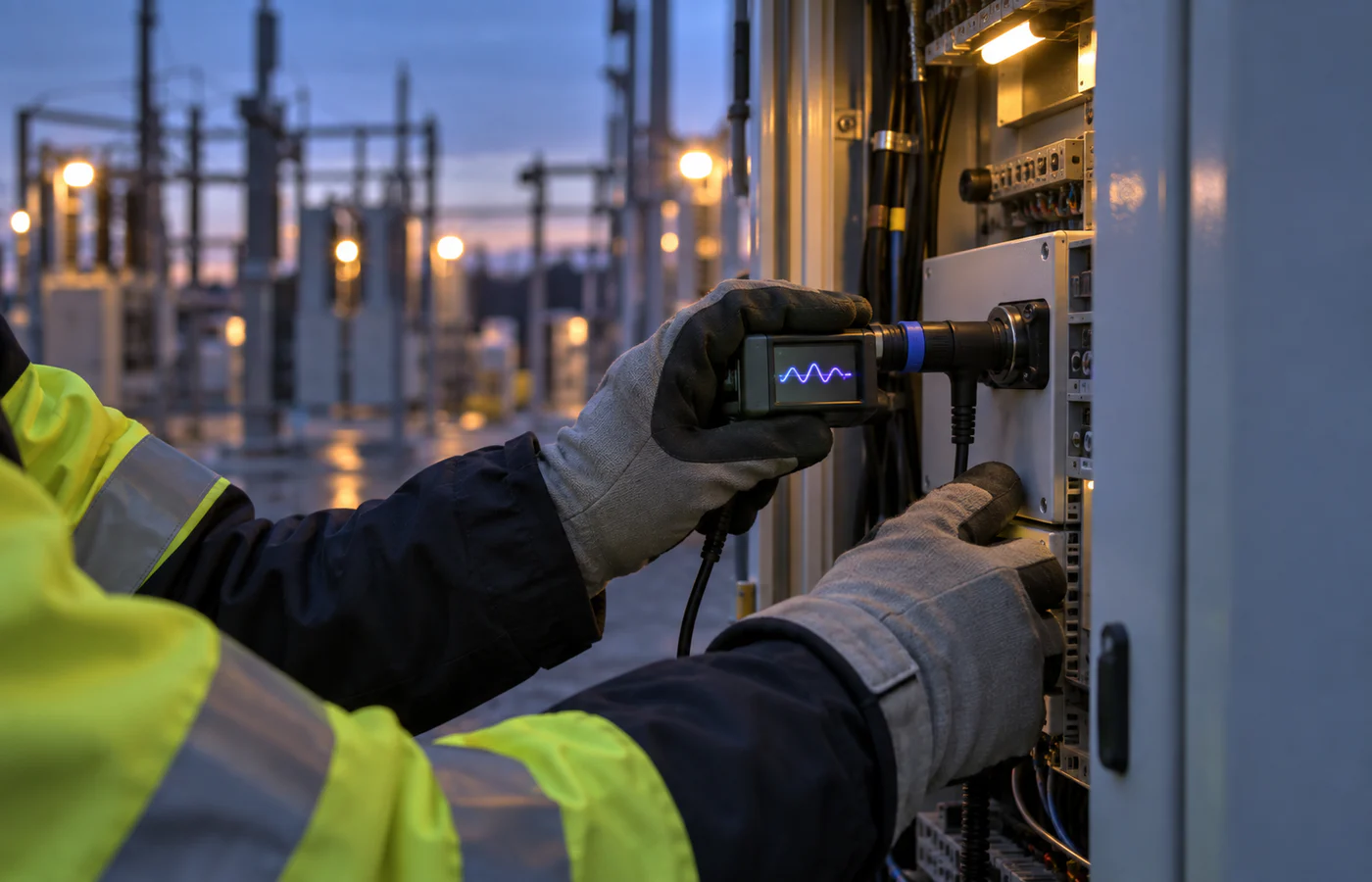
Where it landed.
The control room now receives a small number of ranked, explained alerts per shift. Several would-be outages have been prevented by intervening before failure — the sort of result that only shows up as an absence.
Getting the alert volume right mattered more than the model. They understood that a control room has a finite number of hands.
Nebula — Core Banking Modernisation
Let's build the thing that moves your numbers.
Tell us what is actually blocking you. Forty-five minutes, no deck, no obligation — and a straight answer about whether we are the right team for it.